
How to Understand the Different Types of Candle Wax?
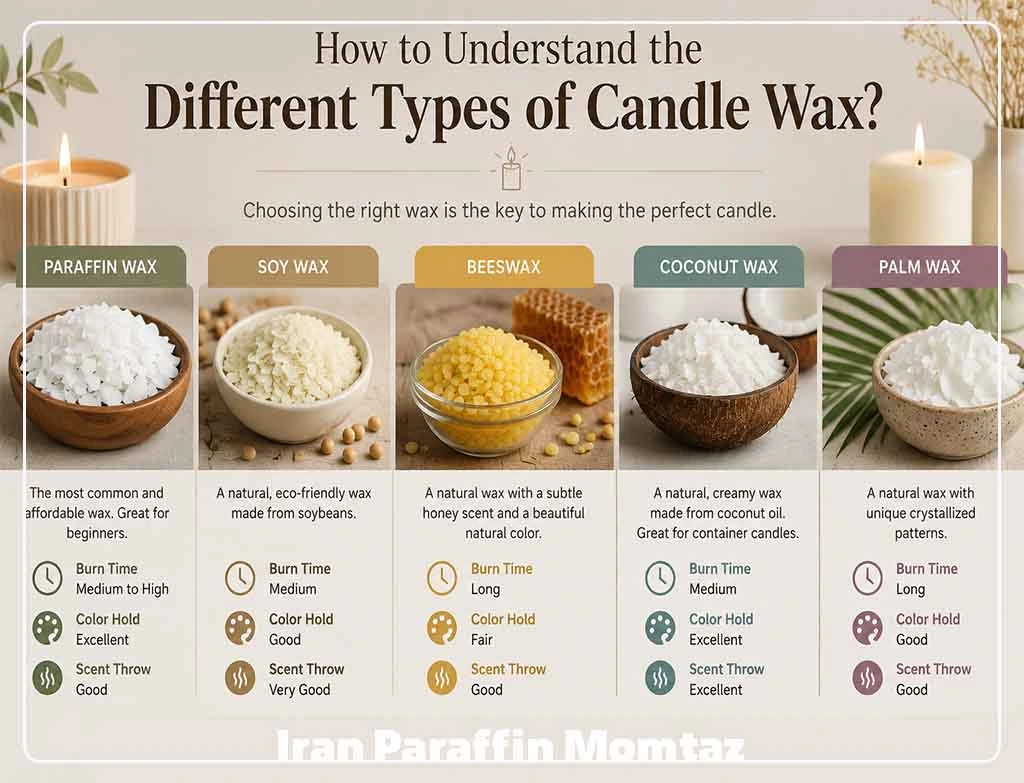
Understanding wax for candle making means knowing that different materials behave differently when burned. The main types of candle wax include paraffin, soy, and beeswax, each with unique qualities like scent throw, burn time, and texture. These different types of candle wax also vary in how eco-friendly or smooth-burning they are, making some better suited for certain uses than others. Choosing the best type of candle wax depends on what you want from the candle, whether it’s stronger fragrance, cleaner burn, or natural ingredients. In general, candle wax types and types of wax for candle making play a key role in the final result, especially when comparing types of natural candle wax or exploring different types of soy wax for specific effects.
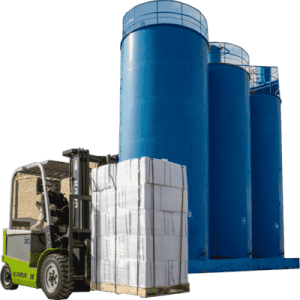
Bulk Liqiud paraffin and Solid Paraffin Purchase
What Is Candle Wax?
Candle wax is a substance used to make candles, typically made from natural or synthetic materials that melt and solidify at specific temperatures. One of the most common materials is paraffin, which is widely used because it holds fragrance well and burns consistently; in fact, paraffin remains the most popular base for commercial candles. However, not all candle wax is the same, some blends still rely on paraffin for structure while mixing it with natural oils to improve performance. Depending on the formulation, paraffin can produce a strong scent throw and smooth finish, making it a key component in many candle types.
Which Type of Candle Wax Do You Really Need?
Which Types of Candle Wax Are Best for Different Candles?
Different types of candle wax are suited to different candle designs, and selecting the right one can significantly affect burn quality, fragrance performance, and overall appearance. While there is no single “best type of candle wax” for every application, understanding the strengths and limitations of various candle wax types can help you choose the most suitable option for each candle style. Factors such as hardness, scent retention, and melting point all play a role in determining which wax performs best in different situations.
- What’s the Best Type of Candle Wax for Container Candles?
Container candles typically perform best with softer waxes that adhere well to the jar and burn evenly. Many candle makers consider soy wax one of the different types of candle wax most suitable for this purpose because it provides a smooth finish and good scent distribution. Among the various types of wax for candle making, soy blends are especially popular for their clean burn and ease of use in glass containers. - Which Types of Candle Wax Work Best for Pillars?
Pillar candles require a firm structure that can stand on its own without a container. For this reason, harder candle wax types such as paraffin, palm wax, and certain blends are often preferred. These types of candle making wax offer the strength needed to maintain shape while burning. The ideal choice depends on the desired appearance, burn quality, and whether a natural or traditional wax is preferred. - What Type of Candle Wax Reduces Dripping in Tapers?
Taper candles benefit from waxes that burn steadily and maintain a strong outer wall. Beeswax is often regarded as one of the types of natural candle wax that can help reduce dripping when paired with the correct wick size. Other carefully formulated types of wax used in candles may also improve performance. Proper candle design remains just as important as wax selection when minimizing excess wax runoff. - Which Candle Wax Is Best for Tealights?
Tealights generally require wax that melts efficiently within a small space while providing consistent illumination. Paraffin and soy blends are among the most common types of wax for candles used for tealights because they balance burn time and scent performance. When comparing candle wax varieties, manufacturers often choose blends that maximize efficiency while keeping production costs reasonable and ensuring reliable results. - What Types of Candle Wax Hold Fragrance in Votives?
Votive candles rely heavily on strong fragrance retention and an even melt pool. Many makers consider soy blends and paraffin blends the best type of candle wax for scented votives because they can effectively carry fragrance oils. Among the different types of soy wax available today, some formulations are specifically designed to improve scent throw. Exploring different types of candle wax helps identify the best option for achieving long-lasting fragrance performance.
Which of the Different Types of Candle Wax Holds Color Best?
Color retention varies among the different types of candle wax, with some waxes producing brighter and more vibrant results than others. When comparing types of candle wax, factors such as opacity, natural color, and dye compatibility all influence how well a candle displays its final shade.
- Paraffin wax: Often considered the best option for bold, vibrant colors because it accepts dyes easily and provides strong color clarity.
- Soy wax: Produces softer, more muted shades due to its natural creamy appearance, though high-quality dyes can improve results.
- Palm wax: Holds color well and can create unique crystal-like visual effects that enhance dyed candles.
- Wax blends: Many commercial blends are formulated to combine excellent color retention with improved burn performance and fragrance throw.
Which Types of Candle Wax Have the Longest Burn Time?
Burn time is one of the most important factors when comparing types of candle wax. Different waxes burn at different rates depending on their composition, density, and melting point. Understanding the most common candle wax types can help you choose a candle that lasts longer and provides better value.
Candle Wax Type | Burn Time | Notes |
Palm Wax | Moderate to Long | Hard wax that generally burns longer than paraffin. |
Soy Wax | Long | Burns slower than paraffin and is popular in container candles. |
Paraffin Wax | Moderate | Produces strong scent throw but typically burns faster than natural alternatives. |
Wax Blends | Varies | Performance depends on the specific blend and formulation. |
Among the different “types of candle wax” , some options burn more slowly than others due to their density and composition. However, actual burn time depends not only on the wax itself but also on factors such as candle size, wick selection, and overall design. For many users seeking a balance between longevity, scent performance, and ease of use, soy-based options remain a popular choice among the types of wax for candles available today.
Do Different Types of Candle Wax Have Different Melting Points?
Yes; and it matters more than you’d think. Different types of candle wax melt at different temperatures, which directly affects how your candle burns, holds scent, and holds its shape. Paraffin wax alone comes in several grades: 56–58°C for container candles, 58–60°C for tealights and votives, and 60–62°C for pillar candles or hot-climate use. Soy wax behaves differently again, with its own melting range and burn characteristics.
Iran Paraffin Momtaz supplies fully refined and semi-refined paraffin across all these grades so whether you’re making jar candles or freestanding pillars, you can match the right wax to the right application from the start.
Which Type of Candle Wax Has the Best Scent Throw?
Among all types of candle wax, paraffin consistently leads in scent throw. It’s highly efficient at dissolving and releasing fragrance, delivering a strong hot and cold throw with a consistent, predictable structure. The fully refined paraffin grades supplied by Iran Paraffin Momtaz take this further; their low oil content improves fragrance retention, and candle makers can blend them with additives like Vybar to push scent throw even higher.
Final Thought:
Choosing between the different types of candle wax comes down to what matters most in your final product; burn time, scent throw, color, or shape. Paraffin remains the most versatile and widely used option, offering strong fragrance performance, vibrant color, and consistent results across all candle types. For producers who need reliable, high-grade paraffin with precise melting points and low oil content, Iran Paraffin Momtaz offers a full range of fully refined and semi-refined grades built to meet professional candle-making standards.
Table of Content
Frequently Asked Question (FAQ)
Can I Use Multiple Waxes in One Candle?
Yes. Blending waxes is a common practice among candle makers. Combining paraffin with soy or other waxes can improve scent throw, burn time, and texture all at once. The key is testing your blend before scaling up production.
Does the Wax Type Affect Candle Burn Time?
Absolutely. Denser, harder waxes like soy and palm generally burn slower than standard paraffin. That said, wick size and candle diameter play an equally important role and wax type alone doesn’t determine how long a candle lasts.
What Types of Wax Should Beginners Start (or Not Start) With?
Paraffin is the most beginner-friendly option. It’s easy to work with, widely available, and produces consistent results. Fully refined paraffin, like the grades offered by Iran Paraffin Momtaz, is especially predictable for first-time candle makers. Palm wax requires more experience to handle correctly and is better left for later.
What Is the Best Candle Wax for Molded Candles?
Hard waxes work best for molds. Paraffin with a higher melting point such as the 60 to 62°C grade provides the rigidity and clean shrinkage needed to release easily from a mold. Iran Paraffin Momtaz supplies exactly these grades, making it a reliable choice for both small-batch and large-scale molded candle production.