
What Are the Different paraffin wax types and How to Choose the Right One?
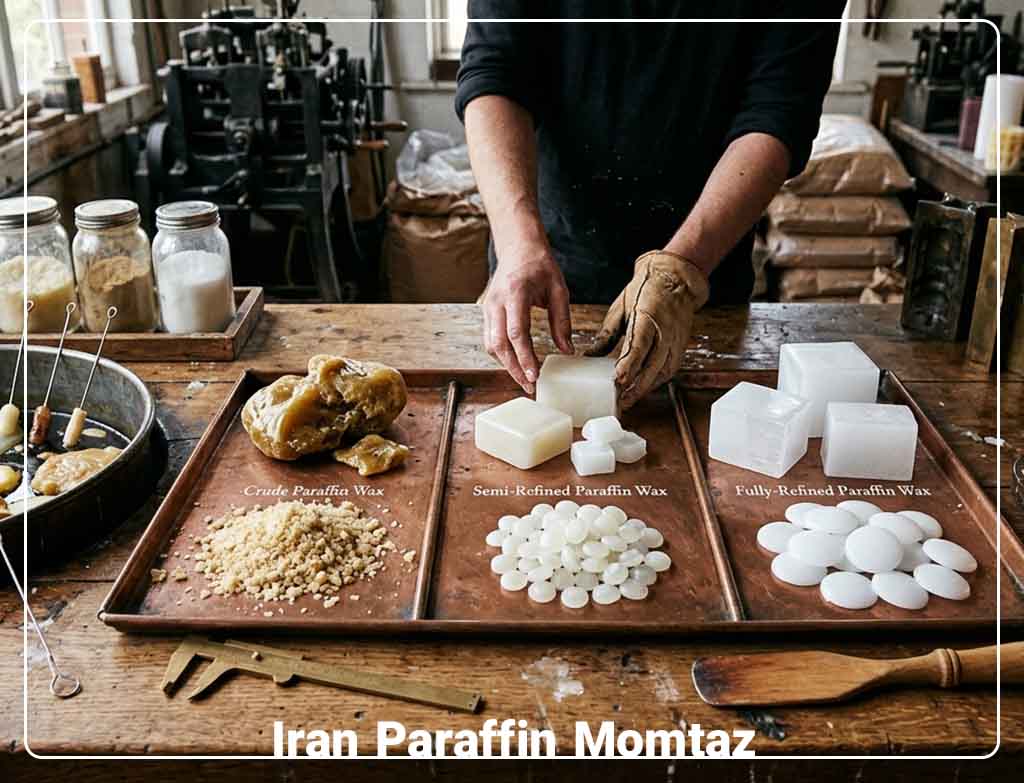
Understanding the various paraffin wax types available in the market is essential for making informed decisions about which grade suits your specific needs. The industrial applications of paraffin have expanded dramatically, making knowledge about different paraffin wax types crucial for manufacturers and consumers alike. From fully refined to semi-refined options, each paraffin product category offers distinct advantages based on its oil content, melting point, and physical characteristics.
Bulk Liqiud paraffin and Solid Paraffin Purchase
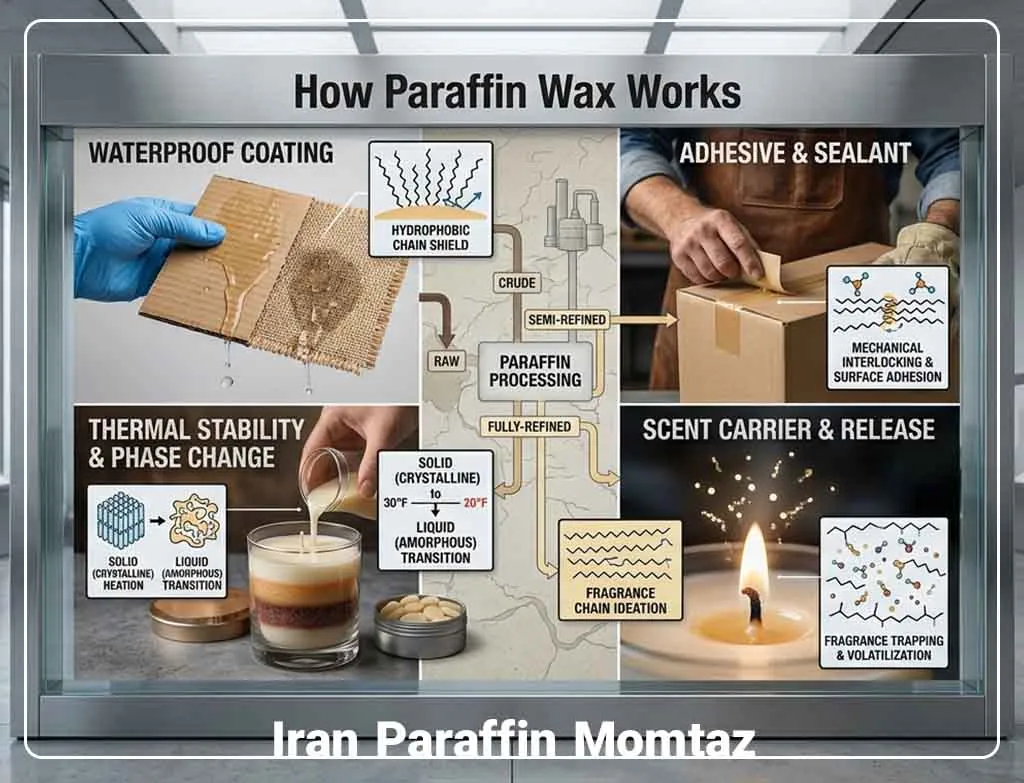
How Does Paraffin Wax Work?
The classification of paraffin depends primarily on the refinement process and resulting oil content, making it crucial to understand how different grades serve distinct industrial needs. Manufacturers determine which type of paraffin fits their specific requirements by examining three main categories: fully-refined, semi-refined, and crude grades. Each classification reflects the degree of processing, and selecting the appropriate paraffin product ensures optimal purity and performance for your intended applications.
What Characteristics Define Each Category of Paraffin Wax?
What Makes Fully-Refined Paraffin Wax the Premium Choice?
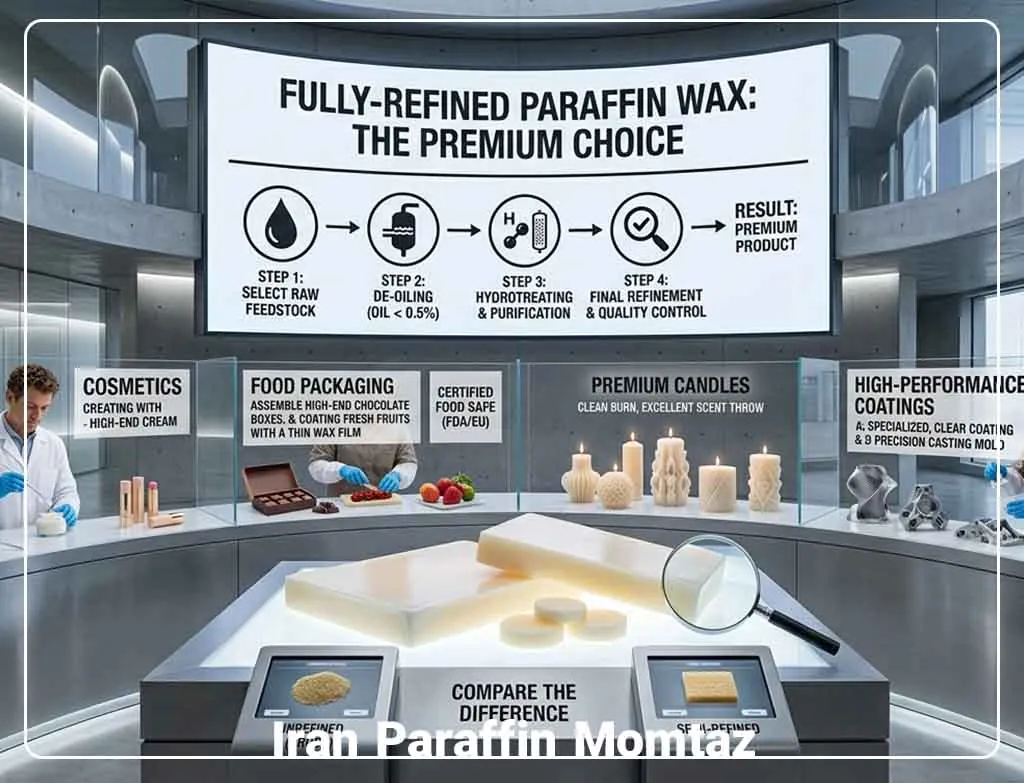
Among the various paraffin wax types , fully-refined paraffin wax represents the highest level of quality, with an exceptionally low oil content of less than 0.5%. This premium grade undergoes extensive processing, including water and clay treatment, to remove impurities, colorants, and contaminants. The result is a solid, white crystalline material with excellent physical stability and a high melting point ranging from 60–62°C. Thanks to its exceptional purity, fully-refined paraffin wax offers outstanding non-sticky, waterproof, and moisture-resistant properties, making it an ideal choice for food-contact applications and high-end cosmetic formulations.
Superior Transparency and Aesthetic Appeal
The low oil content in fully-refined paraffin wax creates exceptional optical clarity and visual brilliance. This characteristic makes it particularly valuable for decorative applications and premium candle production where appearance matters.
Enhanced Stability and Durability
The rigorous processing eliminates variables that could compromise longevity. Products made from fully-refined paraffin wax maintain consistent performance over extended periods without degradation or discoloration.
Ideal for Sensitive Applications
Meeting FDA approval standards for food contact, fully-refined paraffin wax serves pharmaceutical, cosmetic, and food industries where purity and safety are non-negotiable requirements.
Why Is Semi-Refined Paraffin Wax the Versatile Middle Ground?
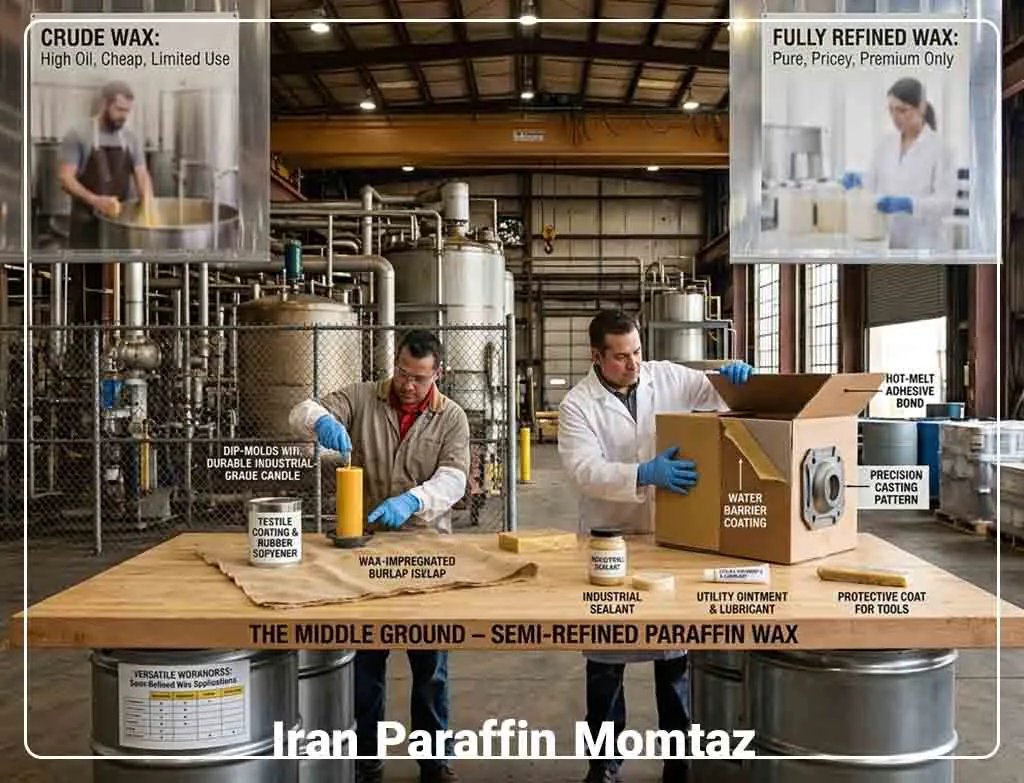
Among the different paraffin wax types , semi-refined paraffin wax offers an excellent balance between quality and cost-effectiveness, with an oil content ranging from 0.5% to 3%. This intermediate grade undergoes partial processing to remove major impurities while retaining some of its beneficial oil components. Its melting point typically falls between 50–55°C, while the wax maintains a respectable crystalline structure despite its slightly higher oil content. Semi-refined paraffin wax is widely selected across industries for general-purpose applications where premium specifications are not required, but consistent quality remains important.
When Should You Consider Crude Paraffin Wax Despite Higher Oil Content?
Crude paraffin wax, also known as slack wax, is one of the “paraffin wax types” with an oil content exceeding 7%, making it the least refined option in the paraffin spectrum. This raw material undergoes minimal processing and retains significant impurities and liquid components from the petroleum refining process. Although crude paraffin wax lacks the transparency and stability of refined grades, it offers substantial cost advantages for applications where appearance and high-performance properties are secondary considerations. Industrial lubrication, rust prevention, and foundry applications frequently utilize crude paraffin wax as the most economical solution.

How Does Microcrystalline Wax Compare as an Alternative to Traditional Paraffin?
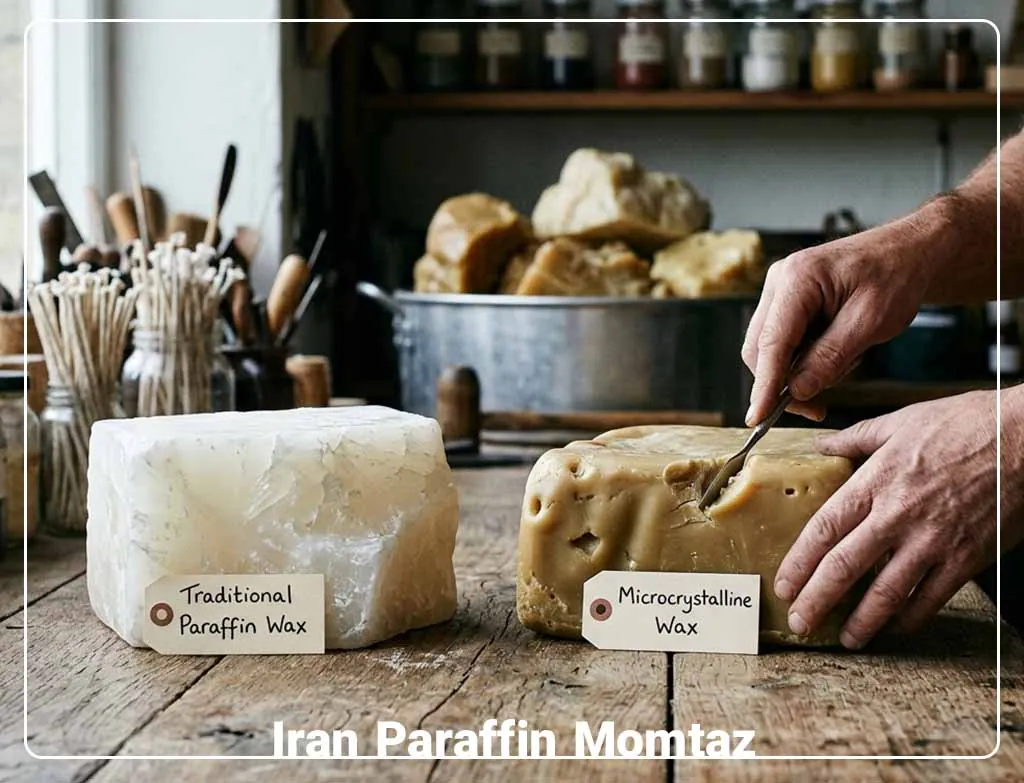
Although microcrystalline wax is not technically classified as a paraffin product, it is an important alternative to consider when comparing different paraffin wax types. This petroleum-derived wax contains higher percentages of branched hydrocarbons and has a finer crystal structure than traditional paraffin varieties. Microcrystalline wax offers superior flexibility, higher melting points of 60–62°C, and greater tensile strength, making it well suited for applications where durability is more important than transparency. Industries such as sports equipment, high-performance coatings, and specialized lubricants often prefer microcrystalline wax when enhanced mechanical properties are prioritized over optical clarity and cost efficiency.
What Are the Key Performance Indicators for Selecting Your Ideal Paraffin Product?
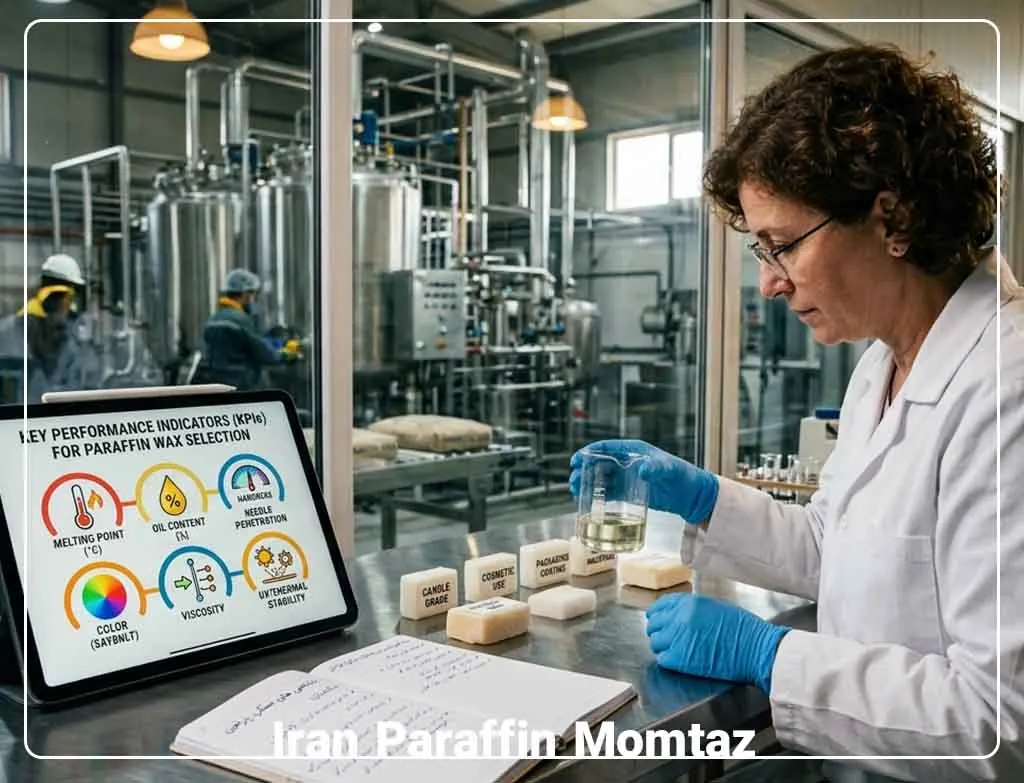
- Oil Content Level: Lower percentages indicate higher refinement and greater transparency
- Melting Point Range: Determines thermal stability and suitable application environments
- Crystal Structure Size: Affects brittleness, flexibility, and final product aesthetics
- Color and Appearance: Fully-refined products show superior whiteness and optical clarity
- Thermal Stability: Premium grades withstand temperature fluctuations without degradation
- Food-Contact Safety: FDA approval status matters for pharmaceutical and cosmetic applications
- Cost-Performance Balance: Finding the grade that matches your budget and specification requirements
- Molecular Weight: Influences tensile strength and processing characteristics during manufacturing
What Are the Steps to Determine the Best paraffin wax types for Your Specific Industry?
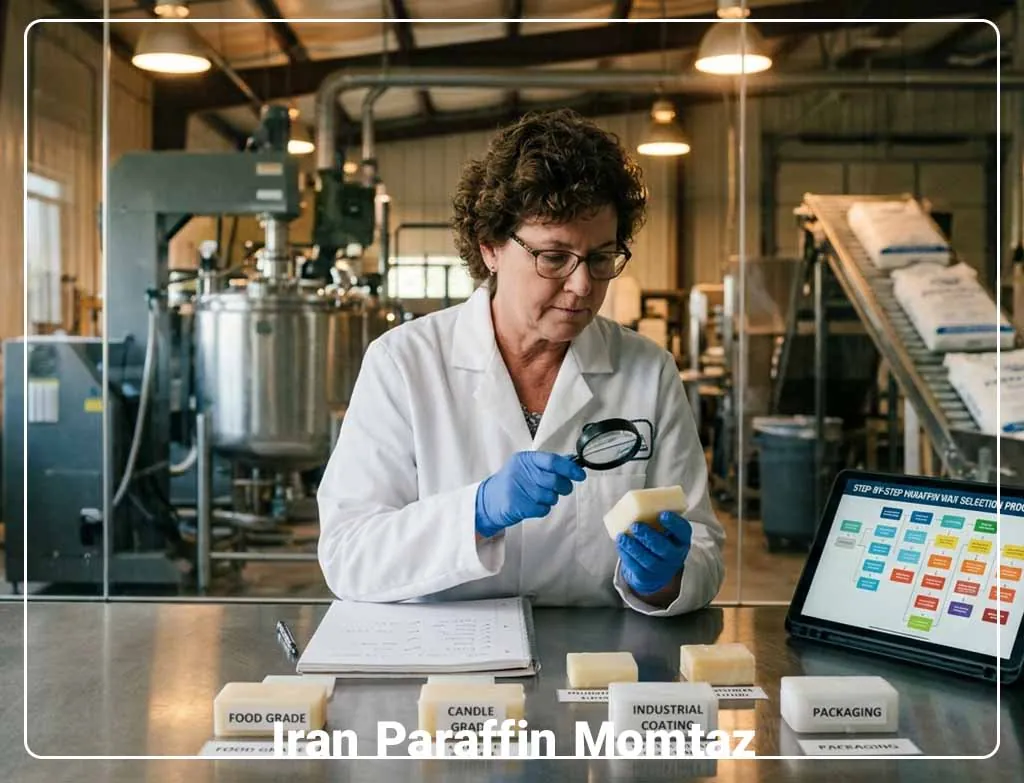
- Assess Application Requirements: Determine whether your application prioritizes aesthetics, thermal stability, cost efficiency, or food-safety compliance.
- Evaluate Environmental Conditions: Consider temperature ranges, moisture exposure, and chemical compatibility that your final product will experience.
- Compare Oil Content Specifications: Match the oil percentage to your performance needs—lower oil for premium applications, higher oil for cost-sensitive operations.
- Test Melting Point Compatibility: Ensure your selected paraffin grade’s melting point aligns with processing equipment and climate conditions.
- Review Supplier Certifications: Verify that your paraffin source meets relevant industry standards such as FDA approval or ASTM specifications.
- Conduct Small-Scale Trials: Test the selected paraffin type in your production process before full-scale implementation.
- Monitor Performance Metrics: Track quality consistency, shelf stability, and customer satisfaction after implementation.
- Adjust Selection Based on Results: Refine your paraffin choice according to real-world performance data and market feedback.
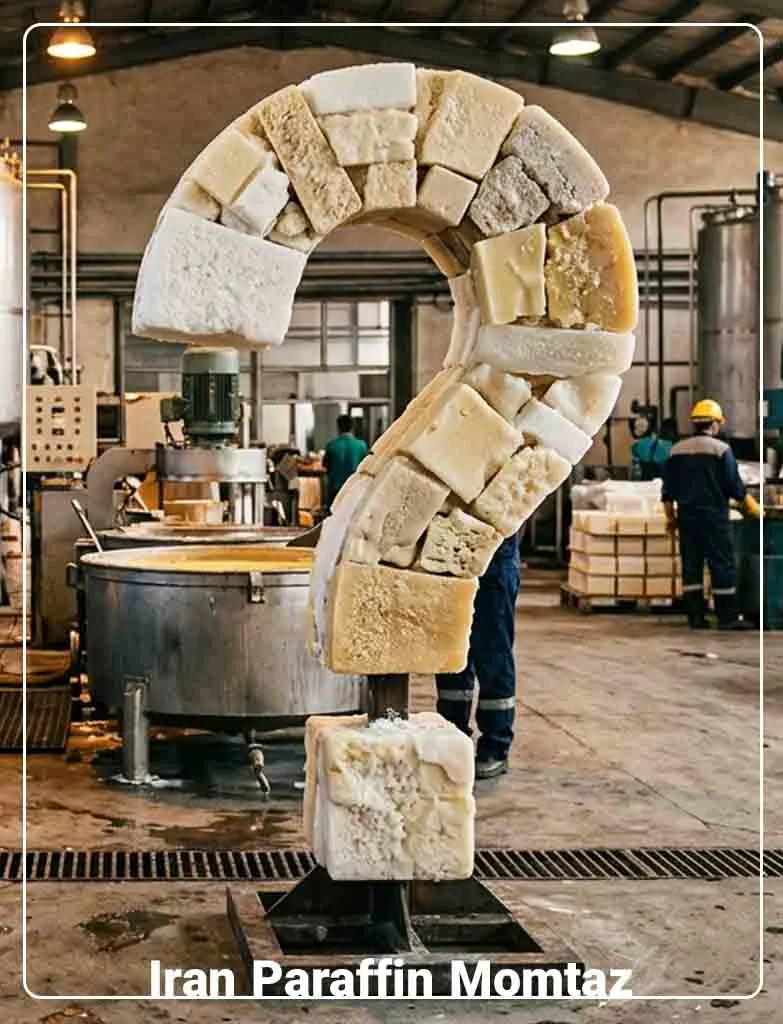
How Do Different Paraffin Grades Compare in Essential Properties?
| Paraffin Type | Oil Content | Melting Point | Best Applications | Cost Level |
|---|---|---|---|---|
| Fully-Refined | <0.5% | 52–57°C | Cosmetics, Food, Pharmaceuticals | High |
| Semi-Refined | 0.5–3% | 50–55°C | General Manufacturing, Textiles | Medium |
| Crude/Slack | >7% | 48–52°C | Lubrication, Rust Prevention | Low |
| Microcrystalline | 5–15% | 63–93°C | Sports Equipment, Performance Coatings | High |
| Light Paraffin | <1% | 55–60°C | Premium Candles, Cosmetics | Premium |
Making Your Final Decision: Summary of Critical Factors
Selecting the appropriate paraffin wax type requires balancing multiple factors: application requirements, budget constraints, regulatory compliance, and performance expectations. Fully-refined paraffin wax represents the premium choice for high-end applications demanding exceptional purity and transparency, while semi-refined products offer practical value for general industrial use. Crude paraffin wax serves cost-conscious manufacturers where appearance and advanced properties prove less critical. Understanding these fundamental distinctions empowers you to make informed procurement decisions that optimize quality, efficiency, and profitability. Whether you require light paraffin wax for cosmetic applications or industrial-grade products for machinery lubrication, the right selection depends entirely on matching product specifications to your unique operational needs. Consider consulting with paraffin suppliers who can provide detailed technical data sheets, samples, and quality certifications to validate your selection before large-scale purchasing commitments.
- What Makes Fully-Refined Paraffin Wax the Premium Choice?
- Why Is Semi-Refined Paraffin Wax the Versatile Middle Ground?
- When Should You Consider Crude Paraffin Wax Despite Higher Oil Content?
- How Does Microcrystalline Wax Compare as an Alternative to Traditional Paraffin?
- What Are the Key Performance Indicators for Selecting Your Ideal Paraffin Product?
- What Are the Steps to Determine the Best paraffin wax types for Your Specific Industry?
- How Do Different Paraffin Grades Compare in Essential Properties?
Frequently Asked Questions About Paraffin Wax Types
Is fully-refined paraffin wax safe for direct skin contact in cosmetic formulations?
Yes, fully-refined paraffin wax that meets FDA approval standards is specifically processed for safety in cosmetic and pharmaceutical applications. Its minimal oil content and purity make it suitable for sensitive skin products, lip balms, and premium beauty formulations. However, always verify FDA certification from your supplier before incorporating paraffin wax into food or pharmaceutical-contact products.
What is the significant difference between types of paraffin and soy wax types?
The primary distinction lies in sourcing and environmental properties. Paraffin originates from petroleum refining and exhibits superior scent-throwing capability, vibrant color acceptance, and thermal stability. Soy wax types, derived from soybean oil, provide renewable sustainability and better soot reduction. Paraffin generally offers better performance for decorative candles, while soy wax types appeal to eco-conscious consumers. Each carries distinct advantages depending on application priorities.
How does temperature fluctuation affect different paraffin wax types?
Temperature sensitivity varies significantly across paraffin grades. Fully-refined varieties with lower oil content demonstrate excellent thermal stability and resist frosting or bloom formation across normal climate ranges. Semi-refined products show moderate temperature tolerance, while crude paraffin wax may experience separation or appearance changes in extreme heat or cold. Industrial applications in temperature-controlled environments can safely use any grade, but outdoor products benefit from premium refinement levels.
Can semi-refined paraffin wax substitute for fully-refined paraffin wax in cosmetic production?
Semi-refined paraffin wax cannot reliably substitute for fully-refined paraffin wax in cosmetic formulations requiring FDA compliance or skin-contact safety certifications. The slightly elevated oil content and potential presence of impurities create regulatory and safety concerns. Cost savings from substitution would likely compromise product quality, safety profile, and regulatory standing. Reserve semi-refined materials for industrial and non-cosmetic applications.
Can semi-refined paraffin wax substitute for fully-refined paraffin wax in cosmetic production?
Light paraffin wax sourcing should prioritize whiteness rating, low oil content confirmation, and heat stability documentation. Verify melting point precision, ensure FDA certification if applicable, and request ASTM compliance data from your supplier. Color consistency batch-to-batch matters significantly for cosmetic and premium candle applications. Request samples before committing to volume purchases to validate performance in your specific manufacturing process.