
What Is the Healthiest Wax for Candles? A Complete Guide to Safer Burning Choices
Understanding the various paraffin wax types available in the market is essential for making informed decisions about which grade suits your specific needs. The industrial applications of paraffin have expanded dramatically, making knowledge about different paraffin wax types crucial for manufacturers and consumers alike. From fully refined to semi-refined options, each paraffin product category offers distinct advantages based on its oil content, melting point, and physical characteristics.
Bulk Liqiud paraffin and Solid Paraffin Purchase
Why Does Your Candle Wax Choice Affect Your Health More Than You Might Expect?
When you light a candle, the focus is usually on scent or ambiance — but what burns inside that glass jar has far more to do with your wellbeing than most people realize. The type of wax in a candle determines what enters the air you breathe, how cleanly it combusts, and whether long-term use at home could quietly affect indoor air quality over months and years. Among every wax type currently used in candle manufacturing, paraffin receives the most scrutiny — and, arguably, the most distorted coverage. Fully refined, food-grade paraffin undergoes a rigorous purification process that brings residual oil content below 0.5%, earning it international food-contact certifications and making it the very same substance used to coat fresh produce, glaze confectionery, and seal artisan cheese — a fact that rarely surfaces in wellness blog discussions. The genuine concern in candle health is not with the category as a whole but with cheap, inadequately refined paraffin that retains high levels of residual hydrocarbons, a product fundamentally different from what reputable wax suppliers manufacture and sell. Knowing this distinction is the single most useful insight you can carry into any conversation about candle wax and health.
Beyond wax grade, the full picture also involves wick material, fragrance ingredients, dyes, and burning habits. A high-quality wax paired with a poor wick or a synthetic fragrance heavy with phthalates will still produce an inferior result. Conversely, a well-manufactured candle made from a misunderstood wax can perform beautifully when every other variable is carefully managed. This guide walks through each major wax type honestly — including what the research actually shows, what popular retail candles are made of, and how to read between the lines when brands use “natural” language that does not always match their ingredient lists.
Which Candle Wax Types Are Genuinely the Safest, and How Do You Tell the Difference?
Is Beeswax Truly the Cleanest Candle Wax Available to Everyday Consumers?
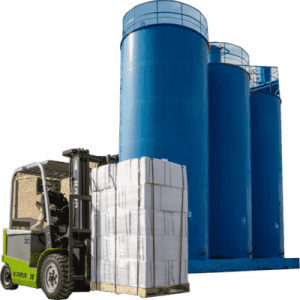
Beeswax occupies a unique position in candle-making history, and its reputation as one of the cleanest wax options is backed by a combination of practical burn data and genuine biological uniqueness. It is the oldest material humans have ever used to make candles — employed centuries before petroleum-derived waxes were even conceived — and, unlike every other wax on this list, it requires no industrial processing to become functional. Bees produce it ready to use inside the hive, giving it an inherent origin purity that no synthetic or semi-synthetic alternative can replicate. When burned, beeswax releases negative ions, which research suggests can bind with positively charged airborne particles — including dust, mold spores, and certain allergens — causing them to become heavier and settle rather than remain suspended in the air you breathe. This property sets beeswax apart from every other candle material: while most waxes simply aim not to make indoor air worse, beeswax has a documented potential to make it marginally better. It also burns with a naturally warm, amber-toned flame, carries a subtle honey fragrance without any added synthetic components, and produces very little visible soot under normal conditions. Its burn rate is slow compared to most alternatives, meaning a well-made beeswax candle typically delivers more hours per gram than a comparable soy or standard wax candle. For all these reasons, beeswax earns its place at the top of most healthiest candle wax rankings — but it does come with limitations worth understanding before you make a purchase.
What Makes Beeswax Uniquely Effective at Supporting Indoor Air Quality?
The negative ion emission from burning beeswax is the property that most distinguishes it from every other candle wax. Negative ions bond with positively charged airborne particulates — pollen, pet dander, smoke residue, fine dust — and cause those particles to drop out of suspension instead of drifting into your respiratory system. This is the same principle behind commercial air ionizers. For households with children, elderly residents, or anyone managing conditions like asthma or rhinitis, this characteristic makes beeswax a particularly thoughtful choice. It is also worth noting that pure, unbleached beeswax carries no dyes or processing chemicals, eliminating an entire category of potential additives that can influence the combustion profile of cheaper wax products.
Does Beeswax Come With Any Real Practical Downsides Worth Knowing?
Despite its impressive health profile, beeswax has genuine limitations. It bonds poorly with added fragrance oils — which means achieving a strong scent throw from a beeswax candle requires considerably higher fragrance loads or expert blending techniques, and even then, results can be inconsistent compared to waxes with naturally high fragrance-binding capacity. Beeswax is also among the most expensive raw materials in the candle industry, often costing two to four times more per kilogram than plant-based alternatives. There are also ethical considerations for some buyers: large-scale commercial beeswax production can stress honeybee colonies, and not all suppliers adhere to responsible beekeeping practices. For vegan consumers, beeswax is also a non-starter regardless of its burn quality.
Who Gets the Greatest Value From Choosing a Beeswax Candle?
Beeswax candles make the most sense for consumers who prioritize purity over fragrance intensity, have existing respiratory sensitivities, or burn candles regularly in small or poorly ventilated spaces where air quality impacts are most concentrated. They are also an excellent choice for nurseries, bedrooms, or yoga and meditation spaces where the goal is a calm, clean atmosphere rather than an intense scent experience. For large-scale candle manufacturers or buyers seeking cost efficiency across high production volumes, however, beeswax is rarely a viable primary ingredient. It is best understood as a premium, specialized candle material rather than a universal everyday solution.
Do Soy Wax Candles Actually Deliver on Their Healthy-Candle Reputation?
Soy wax became the wellness world’s favored candle ingredient through the 1990s and early 2000s, promoted as a plant-based, renewable alternative to petroleum-derived wax. Made from hydrogenated soybean oil, it burns at a lower temperature than many conventional options, blends readily with fragrance oils, and carries a biodegradable, water-soluble profile that artisan candle makers found genuinely appealing. Its slower burn rate extends candle lifespan, and its lower melting point makes it forgiving to work with in small-batch production. These properties helped establish soy wax as a major force in the natural candle segment — and that positioning still holds significant consumer trust today.
However, a more honest look at soy wax reveals a handful of concerns that its marketing tends to downplay. The vast majority of commercial soy grown globally is genetically modified, and truly verifiable non-GMO soy wax is difficult to source without direct supply chain transparency. Soy agriculture is also among the more pesticide- and herbicide-intensive crops, meaning the environmental footprint of soy wax is not as clean as its “plant-based” label implies. Products sold as “soy candles” in mainstream retail frequently contain a significant proportion of other waxes — including low-quality conventional wax — without that being prominently disclosed. Scent throw from soy wax also tends to be weaker than from other options, which often leads manufacturers to use higher fragrance loads to compensate, potentially increasing the concentration of synthetic additives per candle.
At a glance — what soy wax candles offer and what to watch for:
- Burns slowly and at a lower temperature, delivering an extended candle lifespan
- Derived from a renewable, plant-based agricultural source
- Water-soluble and relatively easy to clean up if spilled
- Pairs reasonably well with a wide range of fragrance oils
- Most commercial soy is genetically modified — non-GMO verification requires explicit sourcing documentation
- Weaker scent throw can lead to higher fragrance loads, which may increase synthetic additive concentration
- “Soy blend” labels often mask significant proportions of other waxes without detailed disclosure
- Can develop uneven burn surfaces and discoloration after multiple burn sessions
Why Are Health-Conscious Candle Buyers Increasingly Turning to Coconut Wax?
Coconut wax has moved from specialty ingredient to genuine contender in the premium candle market over the past decade, and its growing following is not just a result of clever branding. Produced from the hydrogenated oil of coconut meat, it brings an unusual combination of clean combustion, outstanding fragrance performance, and a genuinely renewable agricultural source. Unlike some “natural” wax alternatives whose health advantages are somewhat theoretical, coconut wax delivers measurable burn quality benefits that candlemakers and independent testers have documented consistently. It also blends exceptionally well with complementary waxes, making it a versatile ingredient in both pure and hybrid candle formulas.
Here are the primary reasons coconut wax has earned serious recognition as one of the healthiest wax options currently available:
- Outstanding fragrance efficiency: Coconut wax absorbs and disperses fragrance oils more effectively than most alternatives — meaning strong, pleasant scent can be achieved with lower fragrance load per candle, reducing the total concentration of synthetic additives in each burn.
- Genuinely clean combustion: Independent burn tests consistently show coconut wax producing minimal black soot and releasing lower concentrations of volatile organic compounds compared to lower-grade wax types, making it one of the better choices for maintaining indoor air quality.
- Highly renewable agricultural base: Coconut palms produce fruit continuously for decades without replanting cycles, making coconut oil a genuinely sustainable raw material when sourced from properly managed farms.
- Naturally slow burn rate: Coconut wax burns at a measured pace that rivals beeswax in terms of hours-per-gram, giving consumers strong value over the lifetime of a single candle.
- Premium appearance without additives: Its naturally creamy, smooth white finish looks clean and luxurious in glass containers without requiring whitening agents, opacifiers, or surface treatments.
- Completely vegan: Unlike beeswax, coconut wax involves no animal products whatsoever, making it the go-to choice for consumers who avoid all animal-derived ingredients.
- Blends excellently with other waxes: Combined with soy or natural wax components, coconut wax creates hybrid formulas that leverage multiple beneficial properties — this is why many premium candle makers use coconut-soy blends as their signature base.
The primary drawback of coconut wax is price — it sits at the higher end of the market — and supply chain verification: claims of “sustainably harvested” coconut wax are difficult to confirm without third-party certification from the supplier.
What Does Wax Purity Grade Actually Mean, and How Does It Change Everything About the Paraffin Debate?
Nearly every consumer health guide on candle wax treats paraffin as a single, monolithic substance — and that is where most of these conversations go wrong. Paraffin exists on a well-defined spectrum of refinement levels that directly determines its emissions profile, its suitability for indoor use, and its safety for human exposure. At one end of this spectrum sits slack wax: a crude petroleum by-product with high residual oil content and a range of impurities that make it entirely unsuitable for any indoor or food-contact application. At the other end is fully refined, food-grade paraffin — a material that has been processed through multiple purification stages until residual oil content drops below 0.5% and meets international food-safety benchmarks, including FDA and EU standards for indirect food contact. This is the grade used to coat apples and cucumbers in grocery stores, to glaze chocolate confectionery, and to seal artisan cheese. It is also the grade that reputable candle wax manufacturers supply to professional candle makers worldwide.
The distinction is not trivial. When independent studies detect elevated VOC emissions from burning candles, the product under test is almost always a mass-market candle containing lower-grade wax, synthetic dyes, and high-load synthetic fragrance — not a carefully manufactured candle produced from food-grade wax with a certified cotton wick and a clean fragrance profile. Quality and grade matter in every wax category, not just paraffin — a poorly sourced soy wax with heavy synthetic fragrance can produce a worse indoor burn environment than a well-manufactured, fully refined paraffin candle.
| Wax Type | Health Risk (quality grade) | Scent Throw | Burn Consistency | Sustainability | Relative Cost | Fragrance Compatibility |
|---|---|---|---|---|---|---|
| Fully Refined Paraffin | Low (food-grade certified) | Excellent | Very high | Moderate | Low – Medium | Excellent |
| Soy Wax | Low – Moderate | Moderate | Variable | Moderate | Medium | Good |
| Beeswax | Very Low | Low (natural only) | High | Variable | High | Poor |
| Coconut Wax | Very Low | Excellent | High | High | High | Excellent |
| Low-Grade / Unrefined Paraffin | Higher risk | Moderate | Inconsistent | Low | Very Low | Moderate |
What Should You Really Know Before Trusting "Natural Wax" Labels on Big-Brand Retail Candles?
The wellness vocabulary surrounding mass-market candles has grown sophisticated enough that labels reading “clean,” “plant-based,” or “natural blend” do not always correspond to ingredient lists you would expect. Understanding the gap between marketing language and formulation reality is one of the most practical things a candle buyer can learn — and some well-known retail examples illustrate this clearly.
Bath & Body Works candles, widely sold through major homeware retail chains including stores comparable in scale to Bed Bath & Beyond, are among the most recognized candle brands in the world. The company’s own customer care FAQ openly states that its Signature Collection candles contain a blend of vegetable wax, paraffin wax, and soy — confirming that paraffin is a primary component despite the premium positioning of the product line. Independent analyses have further noted that the synthetic fragrance blends used in these candles, while meeting regulatory requirements, are not fully disclosed in terms of specific chemical compounds, meaning the bath and body works candles paraffin conversation is more nuanced than brand messaging typically suggests. This is not a blanket condemnation — the quality of the paraffin in any candle matters enormously — but it is a prompt to look past surface-level labeling.
The practical summary for any candle buyer: look for brands that openly publish their wax grade and sourcing, disclose full ingredient lists including fragrance composition, and use certified phthalate-free fragrance oils paired with lead-free cotton or wood wicks. When a brand deflects a direct question about wax purity or fragrance ingredients, that deflection is itself informative. The healthiest wax for candles is ultimately whichever one you can actually verify — not simply the one you are told to trust by its packaging.
Table of Content
- Is Beeswax Truly the Cleanest Candle Wax Available to Everyday Consumers?
- Do Soy Wax Candles Actually Deliver on Their Healthy-Candle Reputation?
- Why Are Health-Conscious Candle Buyers Increasingly Turning to Coconut Wax?
- What Does Wax Purity Grade Actually Mean, and How Does It Change Everything About the Paraffin Debate?
- What Should You Really Know Before Trusting "Natural Wax" Labels on Big-Brand Retail Candles?
Frequently Asked Questions About Paraffin Wax Types
What is the healthiest wax for candles overall?
The honest answer depends on which factors you weight most heavily. Beeswax and coconut wax consistently rank highest in independent burn quality tests for minimal soot and low VOC output, with beeswax carrying the added benefit of negative ion release. For buyers seeking accessibility and affordability without sacrificing indoor air quality, fully refined, food-grade paraffin from a verified supplier is a genuinely safe and well-performing option — it carries international food-contact certifications that cheap alternatives do not. Soy wax occupies a middle position with real plant-based credentials but more sourcing variability than is usually acknowledged. In practice, the healthiest candle wax is always the one whose grade, sourcing, and companion ingredients you can verify rather than just take on trust.
Are Bath & Body Works candles safe to burn at home regularly?
Bath & Body Works has publicly confirmed that their candles contain a blend of vegetable wax, paraffin wax, and soy. The company states that their products meet or exceed all applicable industry and government safety standards, and occasional burning in well-ventilated rooms is unlikely to cause acute health concerns for most healthy adults. However, frequent burning in enclosed spaces — particularly for individuals with asthma, chemical sensitivities, or compromised respiratory health — warrants closer attention to the fragrance ingredients and overall ventilation. Those specifically seeking paraffin-free or fully disclosed-ingredient candles may want to explore brands with more transparent formulation practices.
What is the actual difference between food-grade paraffin and regular paraffin when used in candles?
Food-grade paraffin has been refined through multiple purification stages until its residual oil content drops below 0.5% and the product meets food-safety standards recognized by bodies such as the FDA and EU regulatory agencies — the same grade used to coat fresh fruit, glaze confectionery, and seal cheese. Lower-grade paraffin, often called slack wax or scale wax, retains significantly higher residual hydrocarbon concentrations and is appropriate only for industrial, non-indoor applications. In professional candle manufacturing, reputable suppliers use food-grade or fully refined candle-grade paraffin that burns cleanly and consistently. Most health concerns historically associated with paraffin candles in independent studies relate to candles made with impure, lower-grade wax rather than the refined material used by quality-focused manufacturers.
Is soy wax genuinely healthier than paraffin wax for making candles?
The comparison is considerably less clear-cut than mainstream wellness marketing tends to suggest. In controlled burn studies comparing high-quality formulations of each type, fully refined paraffin and well-sourced soy wax perform at broadly comparable emission levels. Soy wax does offer renewable plant-based origins that appeal to environmentally conscious consumers, but commercially sourced soy is rarely verified as non-GMO, and “soy blend” candles frequently contain undisclosed proportions of other waxes. Neither category is inherently healthier if the grade, sourcing, fragrance chemistry, and wick material are not also considered carefully. Wax type is one variable among several — and not always the most important one.
Which candle wax is the safest to breathe for people with asthma or respiratory sensitivities?
For individuals with asthma, hay fever, or heightened airway sensitivity, beeswax is widely considered the gold standard — its natural negative ion emission and complete absence of synthetic additives make it the most protective option for indoor air. Coconut wax is a close and practical second, with excellent burn cleanliness and low soot output. Where beeswax or coconut wax are not accessible or affordable, a fully refined, food-grade paraffin candle paired with a phthalate-free fragrance and a lead-free cotton wick provides a solid, safe alternative. Regardless of wax type, burning candles in properly ventilated rooms and keeping individual burn sessions under four hours will meaningfully reduce any indoor air quality impact across all wax categories.