
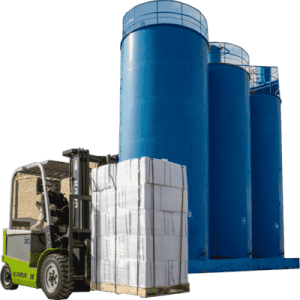
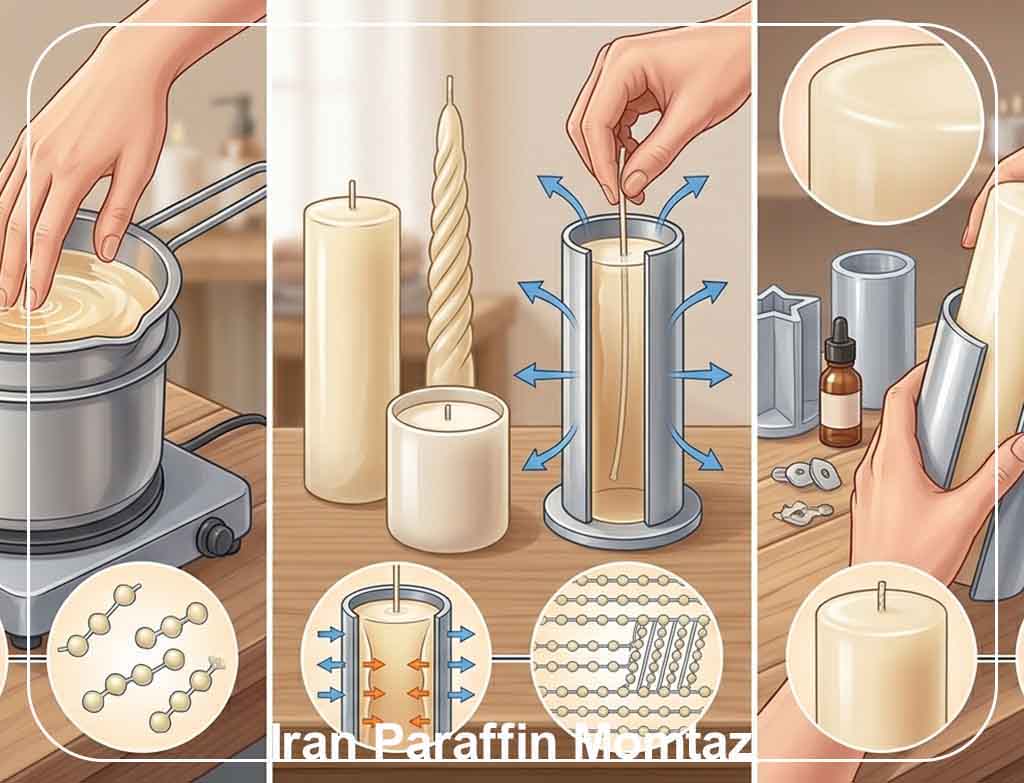
When comparing all types of candle wax, paraffin consistently stands out as the most reliable and cost-effective option. As a petroleum-based wax, it offers unmatched consistency in texture, burn quality, and fragrance performance, qualities that have made it the backbone of the candle industry for over a century. While natural wax for candles has gained a loyal following in recent years, paraffin remains the preferred wax for candle making among professional manufacturers who prioritize performance and scalability.
Best Paraffin Wax for Candle Making
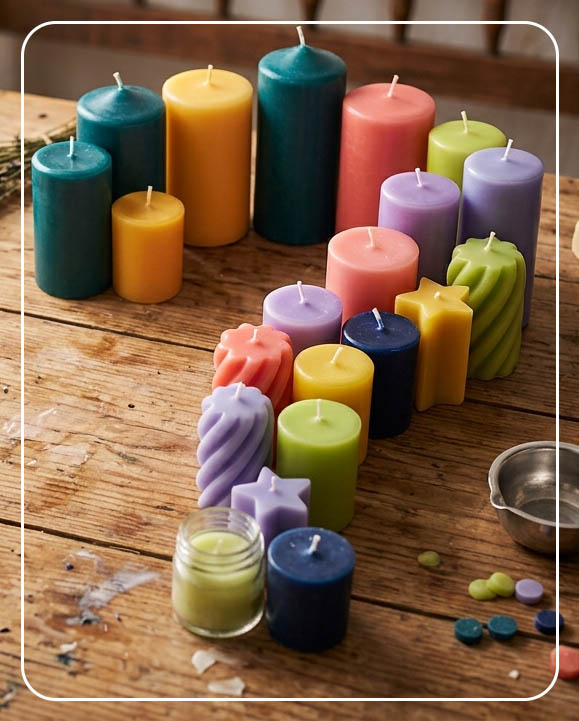
Not all paraffin is the same. The best paraffin wax for candle making depends on the candle type you’re producing. Fully refined paraffin with low oil content is ideal for premium pillar and votive candles, delivering a clean, smooth finish.
Semi-refined grades, on the other hand, work well for everyday container candles and tealights, offering a softer texture and easier fragrance blending. Matching the right grade to your candle type is what separates a good candle from a great one.
Best Paraffin Wax for Scent Throw
Among all candle wax types, paraffin is widely regarded as the top performer when it comes to scent throw. Unlike “natural wax for candles” such as soy or rapeseed, paraffin’s molecular structure allows it to bind with fragrance oils more effectively, meaning your candle fills the room faster and the scent lasts longer.
For makers who prioritize a strong, long-lasting fragrance experience, the best paraffin wax for scent throw is a fully refined grade with low oil content, giving you maximum fragrance retention and a cleaner, more consistent burn.
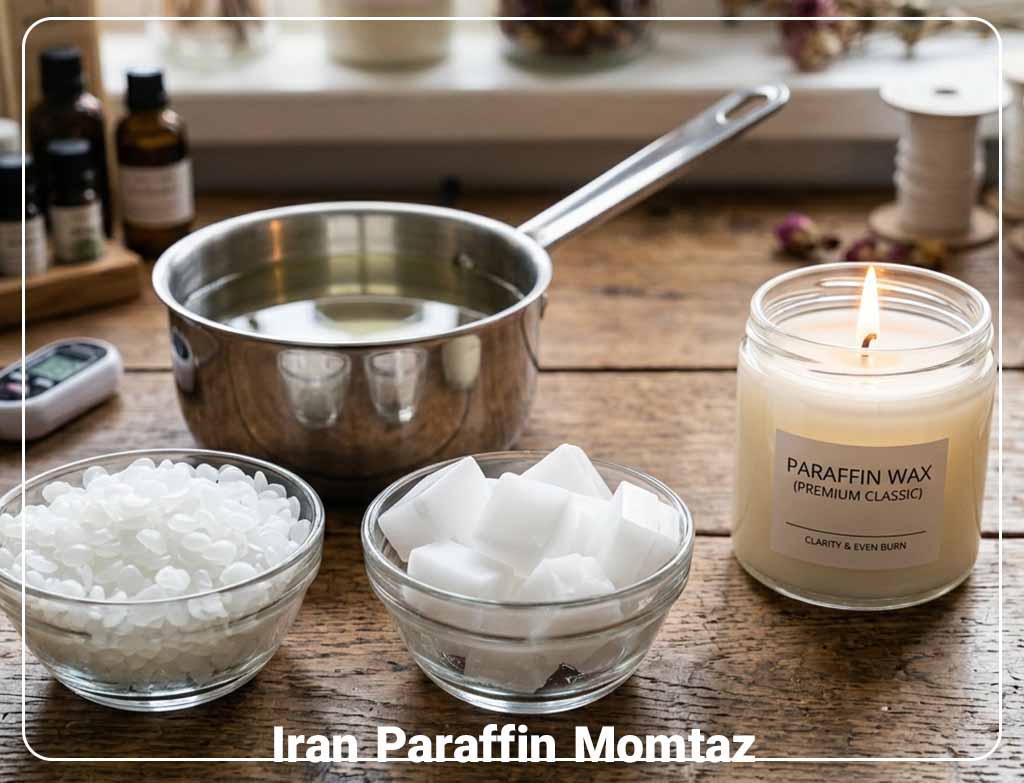
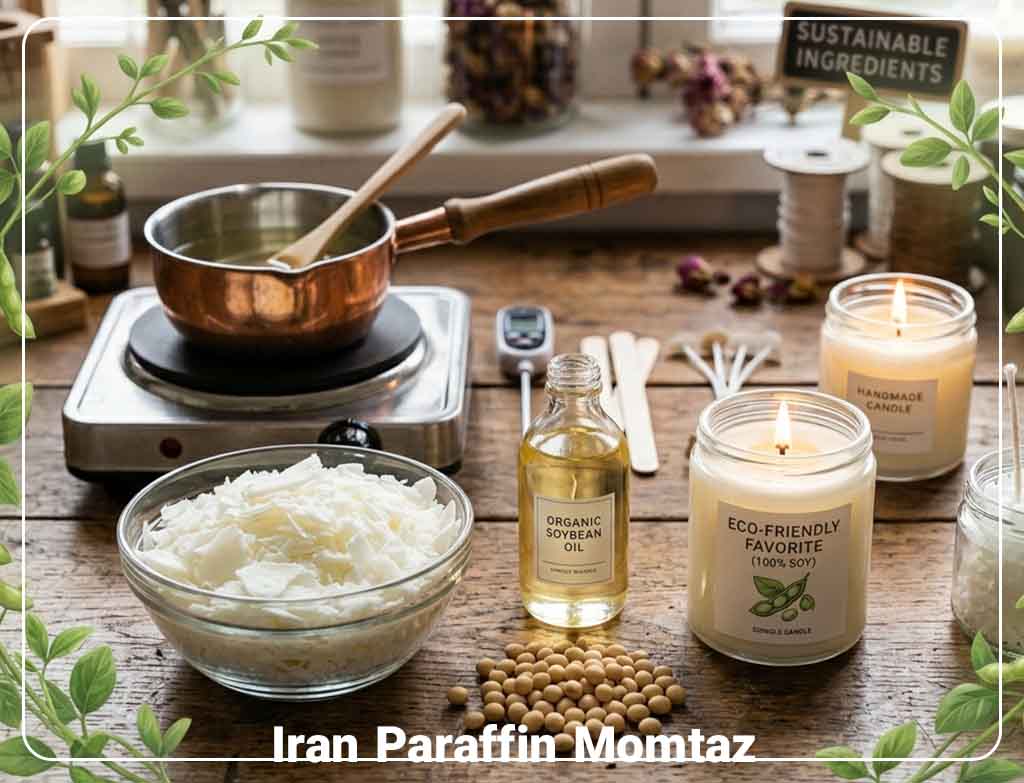
Among the most popular types of candle wax, soy wax has earned a strong following as the go-to natural wax for candles. Derived from hydrogenated soybean oil, it appeals to makers and buyers who want a cleaner, more sustainable alternative to petroleum-based wax.
For those exploring the best wax for candle making with an eco-conscious mindset, soy is a compelling option, especially for container candles. While it may not match paraffin’s scent throw, it remains a widely used wax for candle making among independent makers and sustainable brands.
Advantages of Soy Wax:
- Burns slower and longer than many other candle wax types, offering better value per candle
- Made from a renewable resource, making it one of the most sustainable options available
- Produces less soot compared to petroleum-based wax, resulting in a cleaner burn
- Easy to work with and blends well with fragrance oils and natural dyes
- Biodegradable and easier to clean up with soap and water
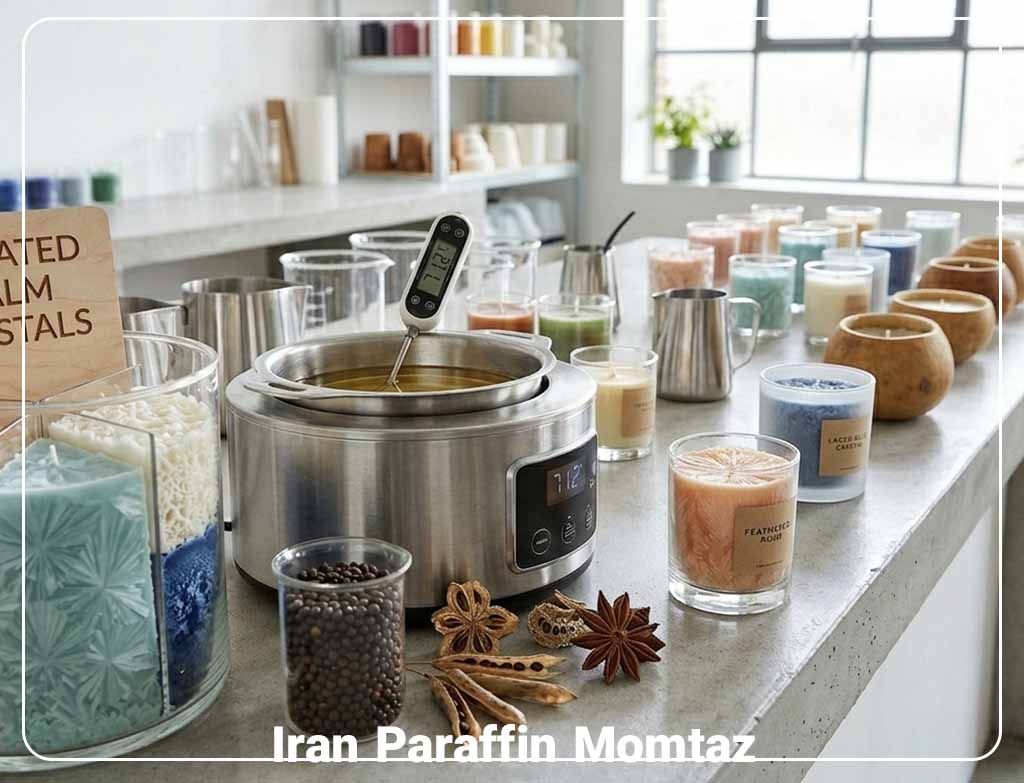
Rapeseed wax is gaining recognition as a natural wax for candles , particularly in the European market. While it serves as an eco-friendly alternative to petroleum-based wax, most professional manufacturers still prefer paraffin when it comes to the best wax for candle making , thanks to its superior consistency, scent throw, and availability across all candle wax types.
Why Rapeseed Wax Is a Greener Choice:
- Locally Sourced:
Grown and harvested across Europe, rapeseed wax significantly cuts down on transportation emissions compared to imported wax for candle making.
- Fully Biodegradable:
Unlike petroleum-based wax, rapeseed breaks down naturally, making it one of the most environmentally responsible candle wax types available.
- Clean, Slow Burn:
Rapeseed delivers a steady, clean burn comparable to other premium natural wax for candles on the market.
- Decent Fragrance Retention:
While it doesn’t match paraffin’s scent throw, it holds fragrance well enough for makers exploring different candle wax types.
- Supports Local Agriculture:
Choosing rapeseed wax means investing in local farming and reducing dependency on petroleum-based alternatives.
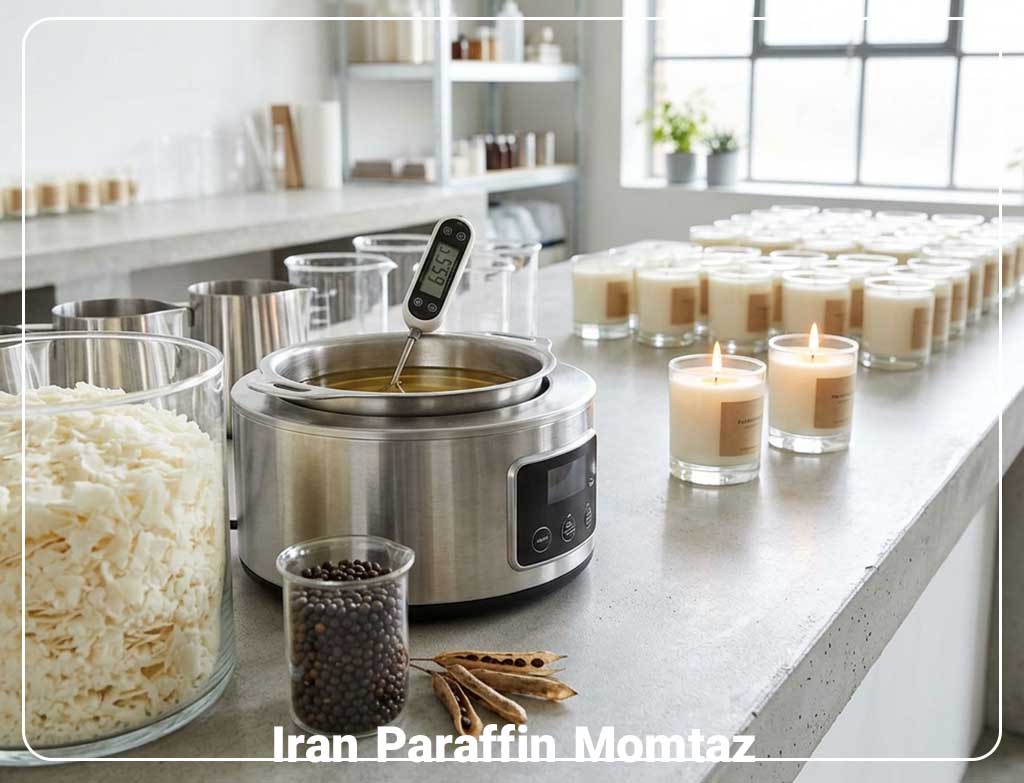
Palm wax occupies a unique niche among all types of candle wax; it’s the only natural wax for candles that naturally crystallizes as it cools, creating a distinctive feathered or snowflake-like pattern on the surface.
This makes it a popular choice for decorative pillar candles where appearance matters as much as performance. That said, for makers who prioritize scent throw and consistency, petroleum-based wax like paraffin remains the more reliable wax for candle making at scale.
Gel wax stands apart from all other types of candle wax thanks to its unique translucent appearance, which makes it the go-to choice for embedded and decorative candle designs.
Unlike natural wax for candles or petroleum-based wax, gel wax is a mineral oil-based compound with a jelly-like consistency that allows makers to suspend decorative objects, shells, stones, or botanicals, within the candle itself.
While it’s not the most practical wax for candle making at a production scale, its visual impact is unmatched among all candle wax types. For makers who prioritize creativity and aesthetics over fragrance performance, gel wax opens up a world of design possibilities that no other wax can offer.

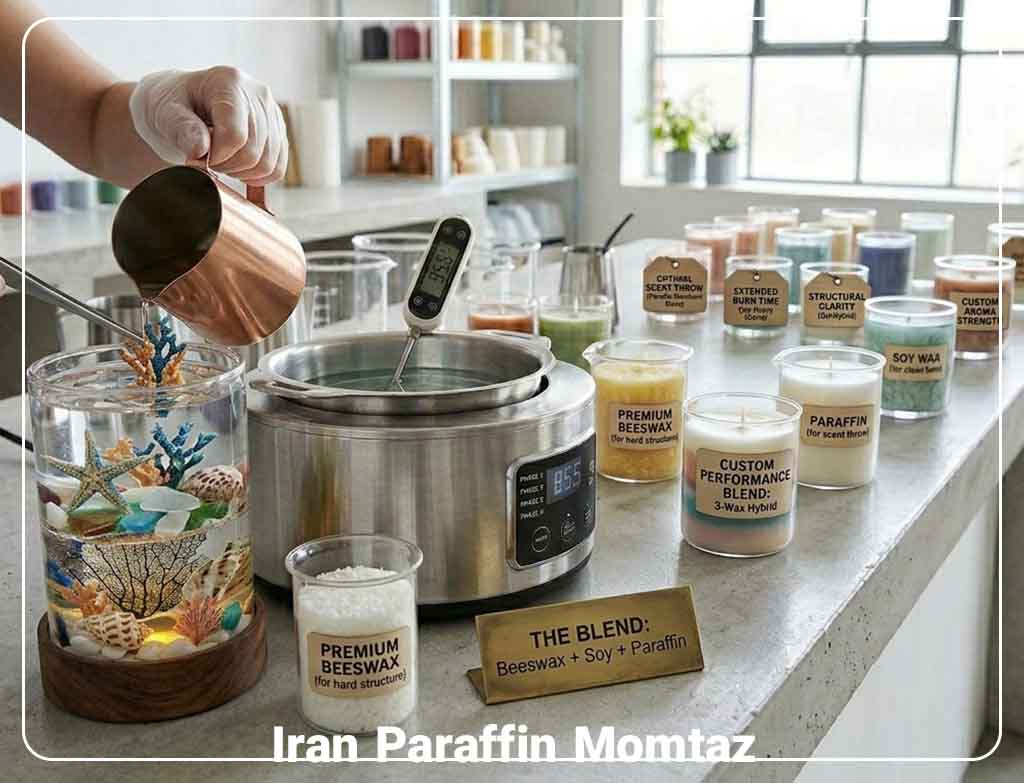
Blended waxes are exactly what the name suggests, a combination of two or more wax types engineered to get the best of each. Many professional makers who seek the best wax for candle making don’t limit themselves to a single wax type; instead, they blend paraffin with soy or rapeseed to balance scent throw, burn time, and texture in one formula.
A paraffin-soy blend, for example, delivers paraffin’s superior fragrance performance alongside soy’s slower burn and cleaner finish. For manufacturers looking to fine-tune their product without compromising on quality or consistency, blended waxes offer a level of flexibility that no single wax type can match.