
Liquid Paraffin Uses: A Complete Guide to Its Benefits, Applications, and Safety

Liquid paraffin is one of those ingredients that quietly shows up almost everywhere — in the laxative on a pharmacy shelf, the moisturizer in a bathroom cabinet, and the oil running through factory machinery. Despite being a single, simple substance, it plays very different roles depending on its grade and refinement level, which is exactly why so many people search for a clear answer on what it actually does. This guide breaks down every major use of liquid paraffin, explains how the different industrial and medical grades differ, and helps you figure out which type fits your specific need.

Liquid Paraffin Uses

Bulk Liqiud paraffin and Solid Paraffin Purchase

bulk paraffin purchase2

What Is Liquid Paraffin and Why Is It So Widely Used?

Paraffin is a broad term for refined petroleum hydrocarbons, and liquid paraffin is simply the purified, oil-based form most people encounter in medicine and skincare. Because paraffin is chemically inert, colorless, and nearly odorless, this refined oil resists reacting with skin, food, or other ingredients — which is why formulators trust it in sensitive, pharmaceutical-grade products. Understanding this base ingredient explains why it shows up in such a wide range of applications, from constipation relief to moisturizing lotions.

Depending on the level of refinement, this oil is sold as light or heavy grade, and as food-grade, cosmetic-grade, or pharmaceutical (NF/USP) grade. Each grade is purified to a different standard, which determines whether it ends up in a laxative, a baby lotion, or an industrial lubricant. This single raw material, in slightly different forms, ends up in medicine cabinets, kitchens, workshops, and cosmetic labs alike.

Historically, this oil first gained popularity in the late nineteenth century as a base for petroleum jelly, and by the early twentieth century physicians had adopted it as a gentle treatment for intestinal blockage and chronic constipation. That early medical reputation is part of why regulators still classify certain grades as pharmaceutical ingredients today, subject to strict purity testing before they can be sold for internal or ophthalmic use. Lower grades, meanwhile, never touch a pharmacy shelf and instead go straight into factories and workshops.

What Is Liquid Paraffin and Why Is It So Widely Used 1

What Are the Main Uses of Liquid Paraffin?

How Is Liquid Paraffin Used in Medicine?

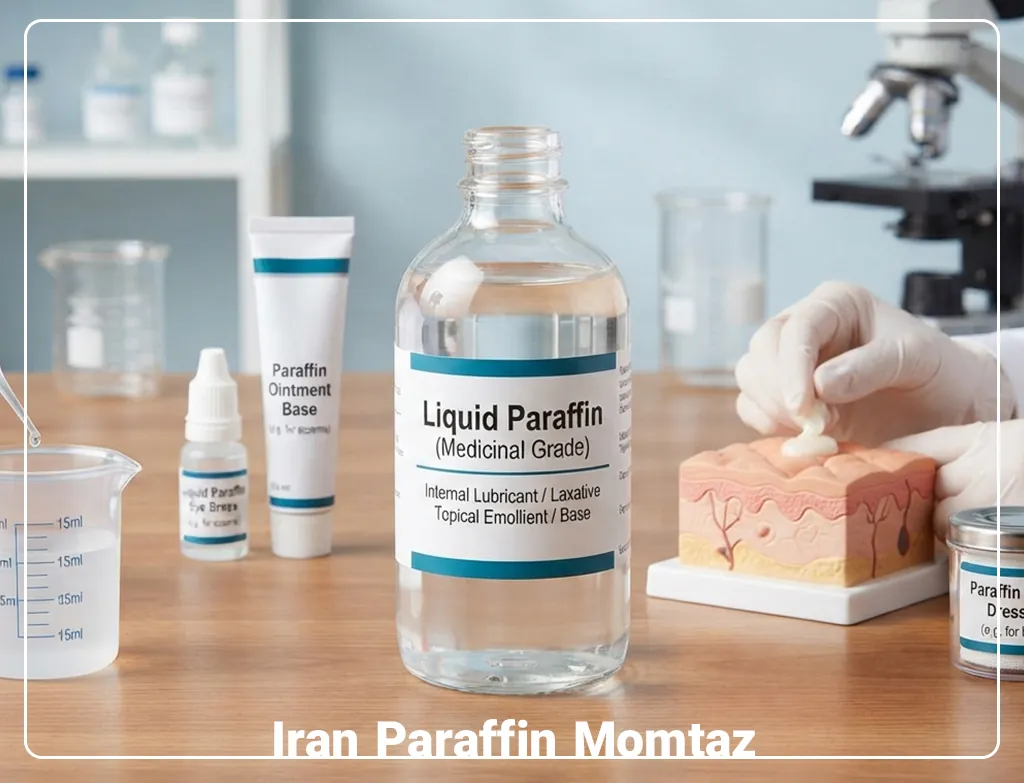
Among all the liquid paraffin uses recorded in medical history, its role as a laxative and skin-protecting agent stands out as one of the longest-standing. Doctors still prescribe it today for several specific conditions, relying on the same core properties that made it a trusted remedy generations ago.
Does Liquid Paraffin Relieve Constipation?

Yes. Taken orally, liquid paraffin acts as a lubricant laxative rather than a stimulant one. It coats the intestinal wall and the stool itself, softening hardened waste and reducing the friction needed to pass it. Because it is not absorbed by the intestines, it works mechanically rather than chemically, which is one reason pediatric guidelines often list it as a first-choice option for children older than three years with chronic constipation. It is typically taken once or twice daily, ideally before bedtime, and is not recommended for long-term or unsupervised use because it can interfere with the absorption of fat-soluble vitamins.

Can Liquid Paraffin Treat Dry Skin and Eczema?

When applied topically, liquid paraffin functions as an emollient and occlusive agent. It forms a thin, breathable film on the skin’s surface that slows water loss from the outer layer, which is exactly what dry or compromised skin needs. This makes it a common ingredient in creams and ointments used for eczema, dermatitis, ichthyosis, and general age-related dryness. Because it does not sting or irritate broken skin, it is often recommended even for sensitive or inflamed areas, and it can continue to be used after symptoms improve to help prevent flare-ups.

Is Liquid Paraffin Used for Dry Eyes?

Yes, in ophthalmic ointments and ointment-based eye drops, liquid paraffin helps lubricate the eye’s surface and reduce irritation caused by wind, screen time, or reduced corneal sensitivity. It is often combined with white soft paraffin (petroleum jelly) in these formulations to extend contact time on the eye and provide longer-lasting relief than water-based drops alone.

How Is Liquid Paraffin Used in Medicine

What Are the Cosmetic and Skincare Uses of Liquid Paraffin?

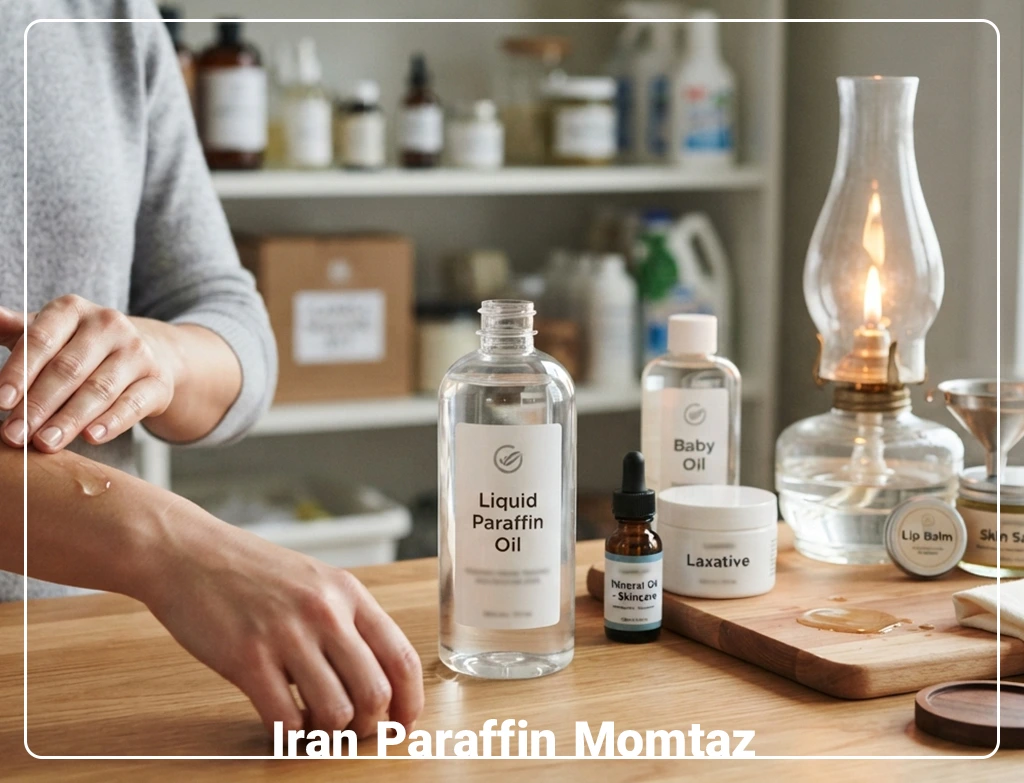
Beyond direct medical treatment, one of the most common liquid paraffin uses is as a workhorse ingredient across the beauty industry, valued for being inexpensive, stable, and compatible with almost every other cosmetic ingredient. Common cosmetic applications include:

  • Moisturizers and lotions — used to lock hydration into the skin and prevent transepidermal water loss
  • Baby oils and baby care products — chosen for their gentleness and low irritation potential on delicate skin
  • Hair oils and creams — coat the hair shaft to add shine, reduce frizz, and improve manageability without penetrating the strand
  • Lipsticks, cold creams, and makeup removers — provide slip, softness, and a smooth application texture
  • Sunscreens and after-sun products — help stabilize formulas and soothe skin after sun exposure

What Are the Cosmetic and Skincare Uses of Liquid Paraffin

What Are the Industrial and Household Uses of Liquid Paraffin?

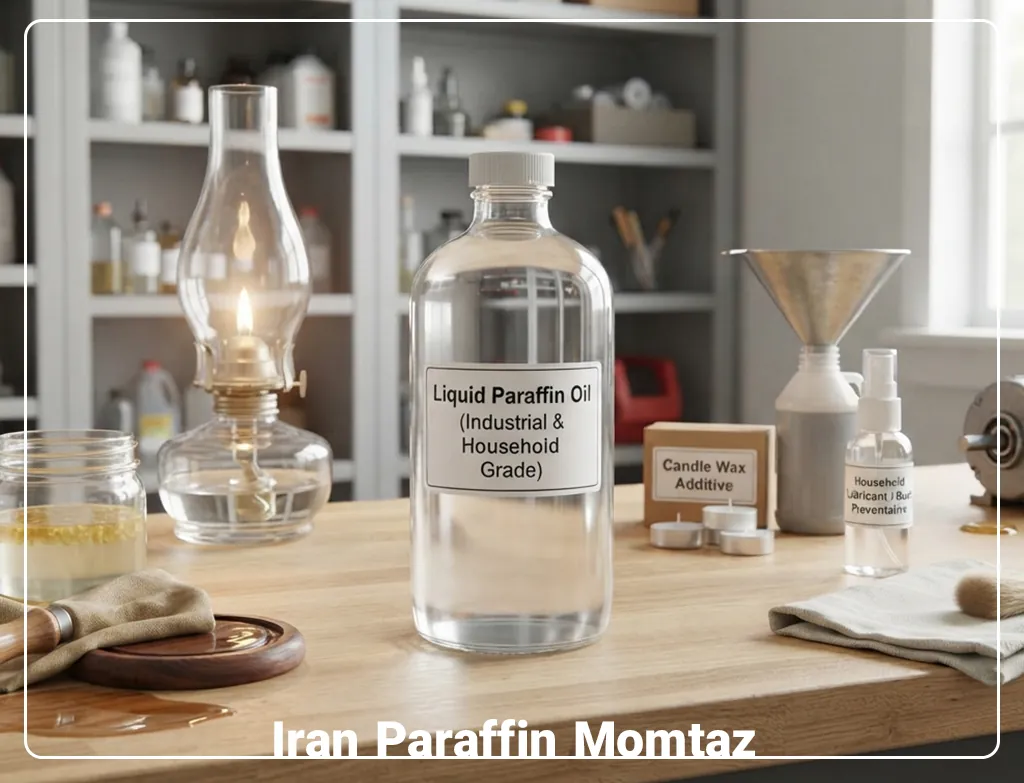
Outside of health and beauty, some of the most practical “liquid paraffin uses” show up in manufacturing and everyday household tasks, thanks to this oil’s lubricating and non-reactive properties. It is prized in factory settings precisely because it will not corrode metal, degrade rubber seals, or leave behind a residue that affects other materials, which makes it a safer default choice than many synthetic lubricants. This industrial-grade oil is not a single, uniform product, though — suppliers refine it to different specifications (flash point, pour point, sulfur content, color) depending on what it needs to withstand, and some manufacturers also produce fully custom formulations when a process calls for a specification outside the standard range. Key industrial and household applications include:

  1. Machine and equipment lubrication — used to lubricate cutting blades, sewing machines, and other precision mechanical parts. Lighter, fully refined grades with a flash point around 140–160°C and low sulfur and carbon residue are typically chosen here, since they flow easily and leave minimal residue
  2. Textile processing — applied during spinning, weaving, and meshing to reduce friction on fibers
  3. Leather treatment — used to keep leather goods soft, flexible, and resistant to cracking
  4. Food-grade release agent — applied to baking tins, molds, and food-handling equipment to prevent sticking and control dust in grain silos
  5. Candle and wax production — blended into candle wax and used to polish finished candles for a clean, glossy surface
  6. Plastics manufacturing — used to adjust the melt flow rate and surface properties of polymers such as polyolefins and thermoplastic elastomers. This is where higher-purity grades matter most, since a low pour point (around 0 to +2°C), a higher flash point of 170–200°C, and sulfur content below 5 ppm help keep the polymer’s finished properties stable and consistent
  7. Furniture polish and decorative lamp oil — provides shine to wood surfaces and clean-burning fuel for decorative lamps

Because no two production lines have identical temperature and purity requirements, buyers sourcing industrial liquid paraffin in bulk usually work with a supplier that offers a small range of ready specifications alongside the option to customize flash point, pour point, or sulfur content for a specific application.

What Are the Industrial and Household Uses of Liquid Paraffin

Liquid Paraffin vs Mineral Oil vs Petroleum Jelly: What's the Difference?

Most competing articles use the terms liquid paraffin, mineral oil, and petroleum jelly almost interchangeably, but they are not identical products, and choosing the right one matters for both safety and results. The table below breaks down the practical differences.

Feature

Liquid Paraffin

Mineral Oil (Cosmetic Grade)

Petroleum Jelly (Vaseline)

Physical form

Thin, pourable liquid

Semi-solid, waxy gel

Petroleum Jelly (Vaseline)

Typical refinement

Pharmaceutical or food grade (highly purified)

Cosmetic or technical grade

Highly purified, solidified with waxes

Best known use

Laxative, medicated skin ointments, eye lubricants

General moisturizers, baby oil

Wound protection, deep occlusive sealing

Absorption

Not absorbed internally; sits on skin surface

Not absorbed; sits on skin surface

Not absorbed; forms a thicker barrier

Common industries

Pharma, food processing, textiles, plastics

Cosmetics, personal care

Personal care, first aid, cosmetics

Final Thoughts: Is Liquid Paraffin Worth Using?

Liquid paraffin has stayed relevant for more than a century because it does two things extremely well: it lubricates, and it protects surfaces — whether that surface is intestinal tissue, dry skin, a candle mold, or a spinning fiber. For most healthy adults, occasional use as a laxative or as an ingredient in skincare products is considered safe when directions are followed, though it should not replace medical advice for chronic digestive issues. Anyone using it regularly, especially on children, around the eyes, or for internal purposes, should check the product grade and consult a pharmacist or doctor to confirm it is the right formulation for their needs.

Frequently Asked Question (FAQ)

Is liquid paraffin safe to use every day?

Topical use in moisturizers or skincare is generally considered safe for daily use. Oral use as a laxative, however, is meant for short-term or occasional relief; taking it every day for extended periods can reduce the absorption of fat-soluble vitamins and should only be done under a doctor’s guidance.

Yes, pharmaceutical and cosmetic-grade liquid paraffin is commonly used in baby oils and baby care products because it is gentle, non-irritating, and rarely causes allergic reactions. Parents should still choose products specifically formulated and labeled for infant use.

Liquid paraffin is a refined oil that stays liquid at room temperature and is used in medicine, cosmetics, and industry. Paraffin wax is a solid, higher-melting-point form of the same base material, typically used for candles, wax baths, and coatings rather than skin or internal treatment.

When used as directed, side effects are uncommon. Oral use may occasionally cause anal leakage, mild cramping, or nausea, especially with high doses or prolonged use. Topical use is rarely irritating, though overuse can leave skin feeling greasy. Anyone with a known petroleum sensitivity should patch-test new products before wider use, and long-term daily consumption should always be discussed with a healthcare provider first.

Frequently Asked Questions About Liquid Paraffin uses